The 24/7 Fitness Trap: Why Your Best Training Week Needs a Closed Sign

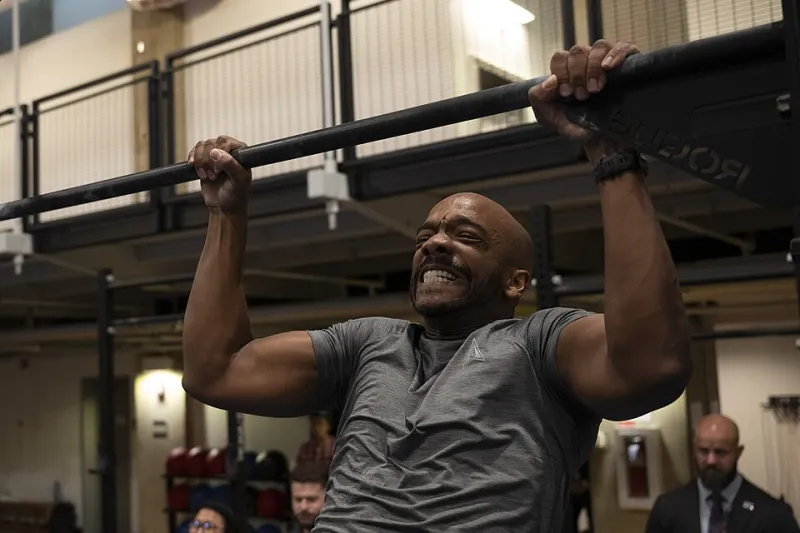
Photo: Bernard Spragg. NZ from Christchurch, New Zealand, CC0, via Wikimedia Commons
FitZone 24 exists because fitness does not keep banker’s hours. You can lift at 5 a.m., run intervals at lunch, or hit the weight room after the rest of the country has gone to bed. That flexibility is a gift. But somewhere along the way, access turned into obligation. The fact that a gym is open all the time does not mean your body is supposed to be ready all the time.
That is the trap of always-on fitness. We treat readiness like a default setting, then wonder why our joints ache, our sleep gets weird, and our motivation starts leaking out of the bottom of the boat. The problem is not that we train hard. The problem is that we rarely give ourselves permission to be genuinely off.
The myth of the always-ready athlete
Social media loves the idea of the person who never misses. They train before sunrise, walk 15,000 steps, hit a second session, and still post a calm green recovery score at 10 p.m. It looks impressive. It also looks like a highlight reel, because it is one.
Real bodies run on cycles. Hard training creates stress. Recovery lets that stress turn into adaptation. If you keep stacking stress without enough recovery, you do not become more resilient by default. You become better at being tired. You become better at faking readiness while your performance quietly flattens out.
What constant readiness actually costs
Your nervous system does not have a separate switch labeled gym mode. It responds to the total load of your day: work stress, family logistics, poor sleep, commuting, caffeine, screens, and training. When you add more training on top of an already full cup, something has to spill.
For some people, that spill looks like a stalled lift. For others, it looks like irritability, junk food cravings, or a resting heart rate that will not settle down. None of those things mean you are weak. They mean your body is doing exactly what bodies do when they are asked to be on call 24/7: they start protecting themselves.
Rest is a training input, not a reward
Most of us treat rest like dessert. We earn it after a hard week, or we feel guilty for wanting it. That framing is backwards. Rest is not the opposite of training. It is one of the inputs that makes training count.
Think of a hard workout as a question. The recovery period is where your body answers. If you never leave space for the answer, you are just shouting questions into a empty room. A scheduled off day, a lighter session, or an evening with no step goal is not a hole in your plan. It is part of the plan.
The guilt tax is real
There is a specific kind of fitness guilt that shows up when you take a day off. You feel lazy. You worry you are losing progress. You open your phone and see someone else’s workout, and suddenly your rest day feels like a moral failure.
That guilt has a cost. It pushes people into workouts that are too hard for the recovery they actually have. It turns easy days into medium-hard days because easy feels like cheating. Over time, the person who cannot rest becomes the person who cannot train consistently, because the body eventually forces the issue.
A weekly template that leaves room to breathe
You do not need a perfect plan. You need a plan with margins. A sane week might include two or three harder sessions, a couple of easy movement days, and at least one true off day. Easy movement can be a walk, a gentle bike ride, or a short mobility session. It should not secretly be a workout in a costume.
The harder sessions should be hard. The easy sessions should be easy. The off day should be off. That sounds obvious, but most people live in the messy middle: too hard on easy days, too guilty on off days, and never fully recovered for the days that matter.
How to close the loop without losing momentum
Pick your off day in advance. Put it on the calendar like a meeting you cannot move. If a full day off feels impossible, start with a low-demand day and protect it. No PRs, no intervals, no step-count competition with your own watch.
It also helps to separate identity from output. You are not a fitness person because you trained every day this month. You are a fitness person because you keep showing up over years. Rest is one of the ways you make that possible.
The bottom line
A 24/7 gym is a convenience, not a command. The strongest training plan is not the one that keeps you busy every day. It is the one that keeps you healthy enough to come back. Schedule the off day. Take the easy day. Let your body answer the question your workout asked. That is not a break from fitness. It is fitness done with a little more sense.