Recovery Never Clocks Out: Your All-Day Blueprint for Bouncing Back Harder
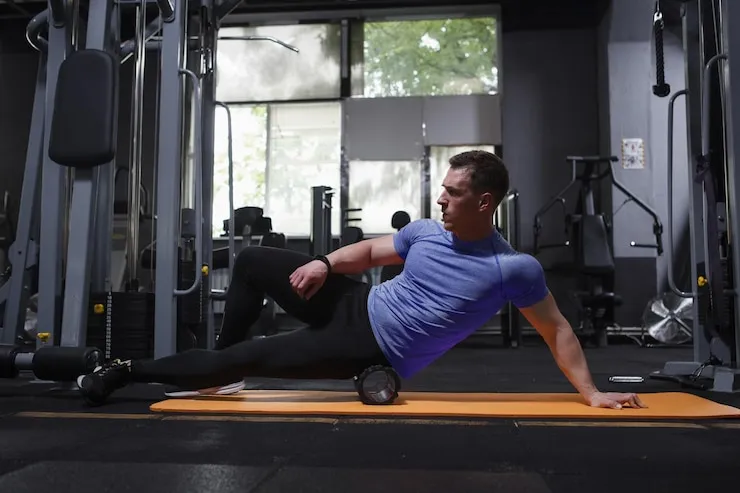
Photo: athlete foam rolling recovery stretching gym, via img.freepik.com
Most of us treat recovery like a light switch — you flip it on at bedtime and flip it off when the alarm goes off. But your muscles, nervous system, and connective tissue don't punch a time card. They're constantly cycling through repair, adaptation, and preparation, whether it's 2 PM or 2 AM.
The truth is, sleep is just one piece of a much bigger puzzle. And if you're only thinking about recovery when your eyes close, you're leaving serious gains on the table. Here at FitZone 24, we're all about maximizing every hour — so let's break down a full-day recovery protocol that actually works.
Morning: Wake Up Your Parasympathetic Nervous System
The first thing most people do after a tough workout day is chug coffee and jump into their to-do list. That's not a great move for recovery. Your body spends the night in a parasympathetic state — rest and digest mode — and jolting it into high-alert cortisol territory too fast can blunt the repair work still happening from yesterday's session.
Instead, spend the first 10–15 minutes of your morning doing something calm. Box breathing (inhale for 4 counts, hold for 4, exhale for 4, hold for 4) has been shown to activate the vagus nerve and lower morning cortisol spikes. A short walk outside — even just around the block — adds the bonus of natural light exposure, which helps regulate your circadian rhythm and supports hormonal balance throughout the day.
If you're a coffee drinker, consider pushing your first cup back by 90 minutes. Cortisol naturally peaks within an hour of waking, and caffeine on top of that can amplify the stress response. Waiting until that cortisol dip gives caffeine a cleaner window to do its job without the jittery crash.
Midday: Active Recovery Is Not a Rest Day Cop-Out
If you trained hard yesterday, a full couch day might feel earned — but low-intensity movement during the day can actually accelerate recovery more than total stillness. This is what exercise scientists call "active recovery," and it works by promoting blood flow to damaged muscle tissue, flushing out metabolic waste products, and keeping your lymphatic system moving.
We're not talking about another workout. A 20-minute easy bike ride, a slow swim, or even a brisk walk counts. Yoga and light mobility work are excellent options too. The goal is to stay in a zone where you can hold a conversation without gasping — roughly 50–60% of your max heart rate.
For those dealing with soreness or inflammation, contrast therapy is worth exploring. Alternating between hot and cold exposure — think a warm shower followed by a cold rinse, or using a hot tub and cold plunge if your gym has them — creates a pumping effect in your blood vessels that can reduce swelling and speed up tissue repair. Even a simple hot/cold shower cycle of 2 minutes warm, 30 seconds cold, repeated 3–4 times has shown real promise in research.
Afternoon: Fuel the Fix
Recovery isn't just physical — it's biochemical. And the fuel you put in during the day matters as much as what you eat in your post-workout window. By the afternoon, your body should be well into the muscle protein synthesis process, which means keeping a steady supply of amino acids available is key.
Aim for a protein-rich snack between lunch and dinner — something in the 20–30 gram range. Greek yogurt with some walnuts, a turkey wrap on whole grain, or a quality protein shake all fit the bill. Pair it with anti-inflammatory foods when you can: tart cherry juice has actual peer-reviewed research behind it for reducing muscle soreness, and omega-3-rich foods like salmon or chia seeds help dial down systemic inflammation.
Hydration also deserves more credit in the recovery conversation. Even mild dehydration slows nutrient delivery to muscles and makes that soreness feel worse. Keep water intake steady all day — don't just slam a bottle right after training.
Evening: Wind Down on Purpose
Here's where a lot of people accidentally sabotage their recovery: they spend the evening in a state of low-grade stimulation — scrolling, streaming, stress-eating — and wonder why they feel wrecked the next morning.
A deliberate wind-down routine in the two hours before bed does more for recovery than most people realize. Dim the lights, cut the screens, and let your core body temperature drop naturally (keeping your bedroom cool, around 65–68°F, helps). This signals your brain to ramp up melatonin production and shift into deep sleep stages where growth hormone is released in its biggest daily surge.
Foam rolling or light stretching in the evening is another underutilized tool. It won't rebuild muscle on its own, but it does reduce neuromuscular tension and improve circulation heading into sleep — giving your body a cleaner slate to work with overnight.
Magnesium glycinate (around 200–400 mg taken 30–60 minutes before bed) is one of the more evidence-supported supplements for improving sleep quality and reducing muscle cramps. It's not a magic bullet, but it's a low-risk addition that many athletes swear by.
The Big Picture: Recovery Is a Full-Time Job
There's no single hack that replaces the basics — quality sleep, solid nutrition, smart training loads. But thinking about recovery as something that only happens in one eight-hour window sells your body short.
Every breathing exercise, every easy walk, every protein-packed snack, every cool shower — they all add up. Recovery isn't a passive process you fall into at night. It's an active strategy you build across all 24 hours. And the athletes who understand that? They're the ones who keep showing up, week after week, without burning out.
That's the FitZone 24 approach: fitness doesn't stop, and neither does your recovery.