More Water Isn't Always the Answer — Here's What Your Body Actually Needs
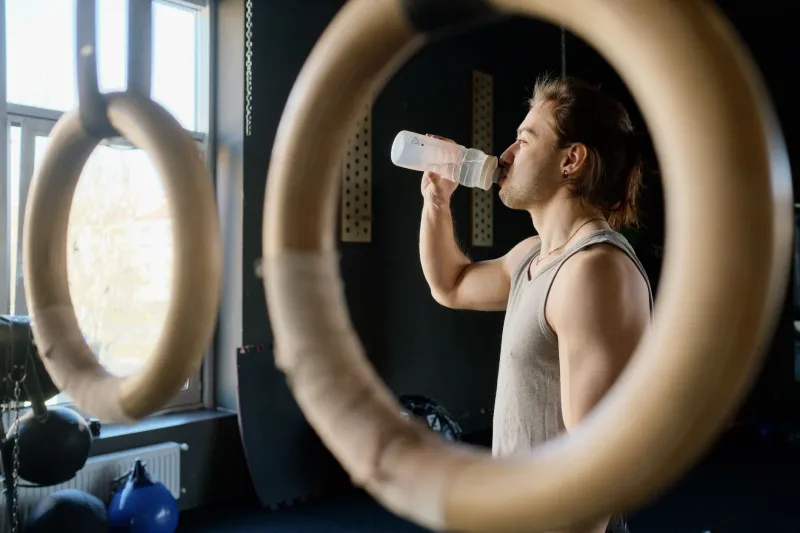
You've heard it a thousand times: drink more water. It's the advice that shows up on every wellness list, every gym poster, every doctor's waiting room pamphlet. And sure, staying hydrated matters — nobody's arguing that. But here's the thing most people don't talk about: there's a ceiling. Drinking beyond what your body actually needs doesn't just stop helping — it can actively work against you.
This isn't about scaring you away from your water bottle. It's about helping you find the amount that actually fits your body, your workouts, and your life. Because the one-size-fits-all hydration advice? It's more myth than science.
The Problem With 'Drink More Water'
The "8 glasses a day" rule has been floating around since the 1940s, and it's never really had solid research backing it. It came from a nutrition guideline that recommended about 2.5 liters of water daily — but the fine print, which everyone ignored, noted that most of that comes from food. Fruits, vegetables, soups, even coffee and tea contribute to your daily fluid intake.
Fast-forward to today, and the fitness world has cranked up the volume on hydration messaging. Gallon jugs are practically a gym accessory. Hydration tracking apps remind you to drink every hour. And while all of this comes from a good place, it's created a culture where more is always assumed to be better.
The reality? Your hydration needs are shaped by a bunch of individual factors that no generic guideline can account for.
What Actually Determines How Much You Need
Sweat rate is the big one. Some people can run five miles and barely dampen their shirt. Others are soaked after a warm-up. Sweat rate varies dramatically from person to person and is influenced by genetics, fitness level, and heat acclimatization. A high-sweat athlete training in July in Phoenix has completely different needs than someone doing a moderate gym session in a climate-controlled facility in Seattle.
Exercise intensity changes everything. A brisk 30-minute walk and a 90-minute HIIT class aren't even in the same conversation when it comes to fluid loss. The harder and longer you work, the more you sweat — and the more you need to replace. But if you're front-loading water before a light session, you're not doing yourself any favors.
Your body size plays a role too. Larger bodies have more surface area and generally produce more sweat. Smaller individuals typically don't need the same volume of fluid. Recommending the same intake across the board ignores basic physiology.
Climate and humidity matter more than most people realize. Humid environments make sweat less effective at cooling you down, which means your body produces more of it. Training outside in a humid Southern summer is a completely different hydration equation than lifting in a dry, air-conditioned gym.
The Electrolyte Piece Nobody Talks About Enough
Here's where the "drink more" logic really starts to break down: water alone doesn't hydrate you. Not fully, anyway.
When you sweat, you're not just losing water — you're losing sodium, potassium, magnesium, and other electrolytes. These minerals are what allow your cells to actually absorb and use fluid. Without them, water just passes through. Worse, if you're drinking large amounts of plain water without replacing electrolytes, you can dilute the sodium in your blood — a condition called hyponatremia — which causes symptoms like nausea, headaches, confusion, and in serious cases, can become dangerous.
Hyponatremia isn't just a marathon runner's problem. It's been documented in recreational athletes who over-hydrated before and during exercise. It's rare, but it's real, and it's a direct consequence of the "more water is always better" mindset.
If you're working out for more than an hour — especially in the heat — an electrolyte-containing drink or a sodium-rich snack before your session can do more for your performance than an extra liter of plain water.
Signs You're Drinking Too Much (Yes, That's a Thing)
Most hydration content focuses on dehydration symptoms, and fair enough — they're more common. But overhydration has its own red flags worth knowing:
- Frequent, nearly colorless urination — pale yellow is the goal, not clear
- Bloating or a sloshing sensation in your stomach during exercise
- Headaches or brain fog that don't respond to rest
- Swelling in your hands or feet after long workouts
- Nausea during exercise despite feeling like you've been drinking enough
None of these mean you should stop drinking water. They mean you should recalibrate.
Building Your Personal Hydration Framework
Instead of chasing a number, try building a system around how your body actually behaves. Here's a practical approach:
Start with urine color. It sounds basic because it works. Pale yellow — think lemonade, not apple juice, and definitely not water — is your target zone. Check it in the morning and after workouts to get a baseline read on where you're landing.
Weigh yourself before and after longer workouts. Every pound lost during exercise represents roughly 16 ounces of fluid. This gives you a concrete, personalized number to work with for post-workout rehydration — no guesswork needed.
Match your intake to your output. On rest days, you simply don't need as much as on hard training days. Let your thirst guide you more on lighter days, and be more intentional on the days you're sweating heavily.
Add electrolytes strategically. If your workouts run longer than 60 minutes, you're training in heat, or you tend to be a heavy sweater (salt stains on your gear are a giveaway), prioritize electrolytes alongside fluids. A pinch of sea salt in your water, a quality sports drink, or an electrolyte tablet can make a meaningful difference.
Drink before thirst kicks in during hard sessions. Thirst is a reliable signal at rest, but during intense exercise, it can lag behind actual need. Sipping consistently throughout a workout — rather than waiting until you feel parched — is a smarter strategy.
The Bottom Line
Hydration is one of those fitness fundamentals that's easy to overcomplicate or oversimplify, and the wellness industry has a habit of doing both at the same time. The real answer isn't a number — it's a practice of paying attention to your body, your environment, and what you're asking of yourself on any given day.
Drink enough to perform. Replace what you lose. And stop treating your water bottle like a scoreboard. Your body knows the difference between being well-hydrated and just being full of water — and once you start tuning in, so will you.