The Three-Day Rule: Why What Happens After Your Workout Matters More Than the Workout Itself

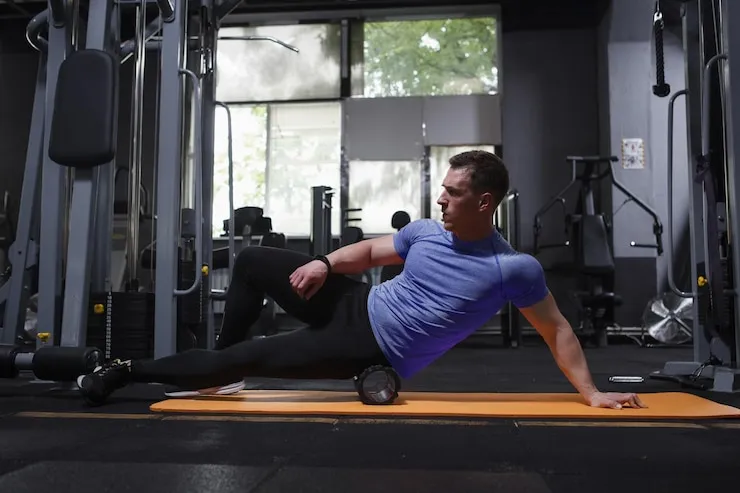
Photo by Photo by Michael DeMoya on Unsplash on Unsplash
We've all been there — you crush a workout, you feel invincible, and then you promptly spend the next two days sitting at a desk, stress-eating, sleeping badly, and wondering why you're not making progress. Sound familiar?
Here's the uncomfortable truth: the workout is just the opening act. The real performance — the one that actually determines whether you build muscle, burn fat, and get stronger — happens in the 72 hours that follow. At FitZone 24, we're in the business of round-the-clock fitness guidance, and nothing illustrates that philosophy better than the often-ignored post-workout recovery window.
Let's break it down, hour by hour, day by day.
Why 72 Hours? The Biology of Muscle Adaptation
When you lift weights or do intense cardio, you're not actually building muscle during the session. You're breaking it down. The micro-tears created during exercise trigger an inflammatory response that, when managed well, leads to repair and growth — a process called muscle protein synthesis (MPS).
Here's what most gym-goers don't realize: MPS remains elevated for up to 48–72 hours after a training session, according to research from institutions like McMaster University in Canada and published in journals like the American Journal of Physiology. That means the decisions you make across three full days — not just the 30 minutes post-workout — shape whether that inflammation becomes adaptation or just soreness.
The fitness world's obsession with the "anabolic window" (that supposedly critical 30–60 minutes after your workout) has been largely overstated. Yes, post-workout nutrition matters. But it's one piece of a much larger puzzle that unfolds over three days.
Day One: Hours 0–24
The First Few Hours
Your muscles are inflamed, glycogen stores are depleted, and your nervous system is taxed. This is when conventional post-workout advice applies — and it's still valid. Getting protein and some carbohydrates within a few hours of training helps kick off recovery. You don't need to chug a shake the second you rack the bar, but a balanced meal within 2–3 hours is a smart move.
Aim for 20–40 grams of protein (chicken, eggs, Greek yogurt, a quality protein shake) paired with complex carbohydrates to replenish glycogen. Hydration is critical here too — even mild dehydration slows protein synthesis and prolongs soreness.
Sleep That Night: Your Secret Weapon
This is where Day One either goes right or goes sideways. During deep sleep, your body releases the majority of its daily growth hormone — the hormone most directly responsible for muscle repair and fat metabolism. Skimp on sleep that first night after a hard workout and you're essentially leaving your gains on the table.
Aim for 7–9 hours. Keep your room cool (around 65–68°F is ideal for most people), limit screens for at least an hour before bed, and avoid alcohol — which tanks sleep quality and directly interferes with muscle protein synthesis.
Day Two: Hours 24–48
This is the day most people either save their progress or quietly sabotage it, often without realizing it.
Stress Is Literally Anti-Gains
Cortisol — your primary stress hormone — is catabolic, meaning it breaks down muscle tissue. Your body is already managing the controlled breakdown and rebuilding triggered by your workout. Pile on a stressful workday, a bad night of sleep, and a few hours of doomscrolling, and cortisol levels stay chronically elevated, working directly against your body's repair efforts.
This doesn't mean you need to live in a bubble. But it does mean that stress management is a legitimate fitness strategy. Even 10–15 minutes of intentional decompression — a walk outside, a short meditation session, or just putting your phone down — can meaningfully lower cortisol and protect your recovery.
Active Recovery: Move, But Don't Hammer It
Day two is a great time for active recovery — light movement that increases blood flow to sore muscles without adding significant new stress. Think a 20-minute walk, a gentle yoga session, or easy cycling. This isn't about burning calories; it's about flushing out metabolic waste products and delivering fresh nutrients to repairing tissues.
Avoid the temptation to hit the same muscle groups hard again. More isn't more. Your muscles need the full recovery window to adapt.
Hydration and Micronutrients
Water remains essential throughout the entire 72-hour window. Beyond basic hydration, Day Two is when micronutrients really earn their keep. Magnesium supports muscle relaxation and sleep quality. Zinc plays a role in testosterone production and immune function. Vitamin C and other antioxidants help moderate the inflammatory response. You don't need a supplement stack — a diet rich in colorful vegetables, nuts, seeds, and lean proteins covers most of these bases.
Day Three: Hours 48–72
By Day Three, most people feel significantly better. Soreness is fading, energy is returning, and the temptation to go all-out again is real. Resist the urge to undo your work.
The Completion of Adaptation
Research suggests that muscle protein synthesis peaks somewhere between 24–48 hours post-workout and begins to taper off toward the 72-hour mark. This is when your body is finalizing the adaptation process — laying down new muscle protein and reinforcing the neural pathways that make you stronger. Disrupting this with another intense session too soon doesn't give you double the gains; it just restarts the breakdown cycle before the first one is complete.
What Day Three Training Looks Like
If you're on a program that has you training again on Day Three, that's fine — as long as you're hitting different muscle groups or doing a lower-intensity session. A well-designed training split accounts for this. If you're doing full-body workouts every other day, that 48-hour gap is doing real work.
Mental Recovery Counts Too
Fitness culture loves to talk about physical recovery and almost completely ignores psychological fatigue. Pushing hard in the gym day after day without mental downtime leads to burnout, motivation crashes, and the kind of all-or-nothing thinking that derails long-term progress. Day Three is a good time to do something you genuinely enjoy — a hobby, time with people you like, or just a low-key afternoon. Your fitness journey is a marathon, and mental freshness is part of what keeps you in the race.
Building Your 72-Hour Recovery Framework
Here's a simple structure you can apply after any hard training session:
Hours 0–6: Eat a quality meal with protein and carbs. Hydrate aggressively. Prioritize sleep that night.
Hours 6–24: Continue eating well, keep stress in check, and get another solid night of sleep.
Hours 24–48: Light active recovery. Focus on hydration and micronutrient-rich foods. Manage stress intentionally.
Hours 48–72: Let the adaptation complete. Train again only if hitting different muscle groups or doing low-intensity work. Protect your mental energy.
The Takeaway
The gym session is the stimulus. The 72 hours that follow are the response — and the response is where progress actually lives. Sleep, stress management, hydration, nutrition quality, and smart movement across three days determine whether your hard work translates into real results or just temporary soreness.
At FitZone 24, we believe fitness doesn't stop when you leave the gym. It runs 24/7 — and so does your body's potential to grow, recover, and get stronger. Start treating those three days after your workout like they matter as much as the workout itself. Because they do.